
Blog
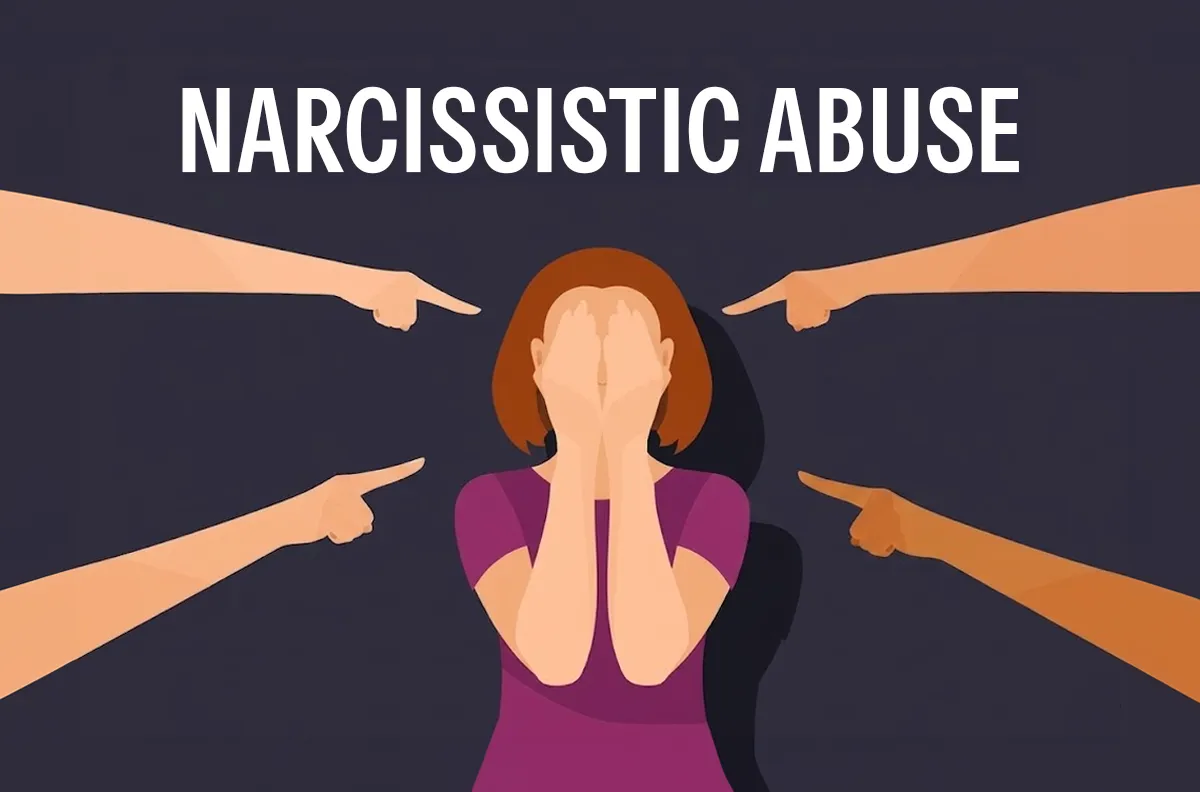
Signs You are Experiencing Narcissistic Abuse
Has it ever happened that you walked away from a conversation feeling confused, guilty, or emotionally drained although you know when you did nothing wrong?
If this feeling seems familiar then you are not alone or not overreacting. Narcissistic abuse is a form of emotional abuse that is underrecognized or sometimes misunderstood. It quite often comes silently in the form of small, repeated action of manipulation, control and emotional invalidation in any romantic relationship, between families, friends or at the workplace.
It happens, experiencing narcissistic abuse in any relationship is so subtle that people do not realize at first. What starts as an intense, almost intoxicating connection or love bombing may slowly change into something that leaves you questioning your own reality.
Understanding the sign is not about accusing or blaming someone, but it’s about having clarity and trust on your thoughts, feelings and judgment. The moment you start seeing the behavior pattern clearly the next second healing process begins.
1. You Constantly Doubt Yourself
One of the important things to notice is the signs of narcissistic abuse, especially constantly doubting yourself. If you have started losing trust in your own memory, emotions, or perception of events, it could be a sign of gaslighting.
Gaslighting is a psychological manipulation method where abusers create situations for victims to question their own reality. As stated by the American Psychological Association, this form of emotional abuse can disrupt a person's confidence and sense of self (APA, 2020). For examples:
You are too sensitive.
That never happened.
You are imagining things.
Over the years, these feelings or opinions make you stop trusting your own judgment. Things that used to be simple become difficult and you keep thinking about "Am I wrong", "Am I Overthinking". These constant self doubts can lead to anxiety, emotional confusion, and emotional exhaustion. Internally you may feel unhappy, emotionally unsafe and can not explain why. You sense something is wrong in the relationship, yet unable to understand the exact problem.
2. You Feel Like You are Walking on Eggshells
In healthy relationships you feel more secure and emotionally safe. You can be honest, express your feelings freely, disagree on conversations, make mistakes without worrying about any punishment or making you feel guilty. But in a relationship, based on narcissistic abuse, safety becomes uncertain or unpredictable depending on the person's mood.
You may start to monitor yourself all the time, every word you speak will be rehearsed in your head because of fear, criticism, anger or being ignored. Over time, your nervous system starts to be on alert and this is called "hypervigilance". This anxiety is not your imagination or over dramatic. The body and mind starts adapting to the situation where emotional reactions feel inconsistent or threatening. This type of stress in any relationship can be a warning signal.
3. Your Feelings Are Constantly Invalidated
In a healthy relationship, people can disagree and acknowledge each other's feelings. For example:Healthy response: “I see why you feel hurt.”, Invalidating response: “You’re overreacting.” Disagreeing is normal in a relationship, but emotional validation is different.
In a narcissistic relationship, your feelings are not just squashed but are mocked, called sensitive, or completely ignored. Whenever you talk about your pain or express hurt, frustration, or sadness, the focus shifts back to the narcissist's needs, grievances, or perspective. Over time, you may start hiding your feelings, avoid argument, anger and just stay quiet to keep the peace. You stop sharing how you feel and choose to remain silent. This pattern is a serious warning for toxic relationships which often goes unnoticed for far too long.
4. You Apologize Even When You’ve Done Nothing Wrong
Blame-shifting is a typical narcissistic tactic, where someone refuses to accept responsibility for their actions and makes everything look like your fault. After arguments the victim feels guilty even when they did nothing wrong.
You find yourself apologizing just to avoid more conflict or keep peace. Sometimes, you even comfort the person who hurt you. Over time, this pattern teaches you to ignore your feelings and boundaries to keep other people calm.
5. You Feel Emotionally Drained and Isolated
Narcissistic abuse takes a lot of mental and emotional energy like constant argument, criticism, guilt or manipulation, and always being on alert can be overwhelming. You may start to notice that friends and family have become distant, but the narcissist person may have weakened your relationship with others without openly saying it.
For Example:
criticizing your family or friends
make you feel guilty for spending time with others
saying others are bad influences
acting upset whenever you plan to leave
This isolation is intended to cut from your support system, and increasing dependency on narcissists, and your reality becomes even more twisted. Without others' support, it becomes harder to recognize the unhealthy behavior. Healing from a narcissistic relationship begins after reconnecting with people who care about you and support you.
6. Their Behavior Alternates Between Affection and Cruelty
Narcissists often show intense affection followed by criticism and emotional distance. At the start they will give constant attention, send nonstop messages, complement heavily, making you overwhelmed. But this phase doesn't last as they become emotionally withdrawn, become cold, and ignore your feelings.
This emotional whiplash is heartbreaking, just when you have adjusted to coldness, they show kindness again and pull you back. People often hold onto good memories of the person and hope to return back. This repeated cycle of affection and emotional hurt creates a toxic relationship known as trauma bonding.
7. You No Longer Feel Like Yourself
One of the most painful effects of narcissistic abuse is that a person may stop feeling like themselves. They forget what they truly want, enjoy, or believe in, things they loved doing once slowly become less important. Your self esteem becomes weaker, and becomes less independent emotionally, mentally or financially. You find yourself prioritizing peace and the narcissist's happiness over your own needs, happiness and personal growth.
Many victims eventually say, "I don't recognize myself anymore." Instead of freely expressing yourself, your focus shifts to emotional survival. You become so focused on trying to predict the narcissist's mood and prevent problems that you lose touch with who you are. Healing means reconnecting with yourself again, your interest, confidence, values, goals and self sense.
8. You are Afraid to Set Boundaries
Boundaries are important as they help define what behavior you will accept and what not in a relationship. But in a narcissistic relationship, setting boundaries can feel scary and unsafe. When you try to set a limit, the narcissist may respond with anger, guilt-tripping, manipulation, or threats of leaving you.
Over the years you may fear punishment, rejection, or being left. In healthy relationships, partners should respect boundaries, even if they disagree with them. In abusive relationships, boundaries are often seen as threats and are strongly resisted. This fear can keep you struck in unhealthy patterns that harm your emotional wellbeing.
Conclusion
If the behavior described above is familiar to you, then understand that this kind of narcissistic abuse is real, it is emotionally damaging and exhausting, and you are not for it. You didn't cause it, and it cannot be fixed, by loving patiently or changing yourself.
Identifying these patterns is the first and important step toward healing. Healing might involve taking therapy with a therapist to understand trauma, learning about narcissistic abuse, having a support system of trusted people, and slowly reclaiming your boundaries and self sense.

Copyright © 2026 Kanchan Bhaskar's Coaching. All Rights Reserved.